

Narrow Fabrics: Types, Materials, Applications & Custom OEM Guide
What Are Narrow Fabrics?
Narrow fabrics are textile structures made in relatively limited widths for use as straps, trims, bands, labels, closures, and other product components. For a buyer, “narrow fabric” is best understood as a purchasing category rather than a single universal width threshold.
In commercial textile sourcing, narrow fabrics can include woven, knitted, elastic, jacquard, printed, reflective, and related textile forms supplied as continuous tapes, straps, bands, or similar narrow components. Depending on the product, they may provide structural support, adjustment, comfort, decoration, branding, identification, visibility, or a combination of these functions.
A category name is only the starting point. The final specification should connect the material and construction with width, finish, application, assembly method, appearance, and sample requirements.
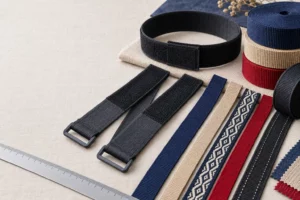
Common Types of Narrow Fabrics
1. Woven Webbing
Woven webbing is formed by interlacing yarns into a stable tape or strap structure. Buyers typically specify the application, material, width, thickness, hand feel, color, pattern, strength requirements, and finishing.
Common material families include nylon, polyester, polypropylene, and cotton. The appropriate option depends on the product job and the required balance of strength, flexibility, appearance, handling, and cost.
For Wubao Textile, relevant product directions include nylon webbing, polyester webbing, polypropylene webbing and other custom woven webbing options.
2. Elastic Narrow Fabrics
Elastic bands and straps are selected when controlled stretch, recovery, comfort, adjustment, or fit is part of the product function. The specification should distinguish between a band that provides fit, a strap that stretches during use, and a decorative elastic trim.
Depending on the application, buyers may consider plain elastic, woven elastic, jacquard elastic, crochet-edge elastic, twill elastic, silicone non-slip elastic, latex-grip elastic, and other constructions.
For apparel and body-contact applications, buyers should confirm stretch direction, recovery, hand feel, surface comfort, color, width, and sewing or enclosure method.
3. Jacquard and Patterned Narrow Fabrics
Jacquard structures, woven patterns, printed designs, and other decorative narrow fabrics can support branding, visual differentiation, identification, or product decoration.
When a logo or artwork is required, provide the actual artwork and confirm repeat direction, scale, contrast, edge appearance, and the visible side of the finished product. Small details that look clear in a large artwork file may require adjustment when converted into a narrow repeat.
4. Reflective Narrow Fabrics
Reflective tapes and webbing can be used where increased visibility is part of the product requirement, including workwear, outdoor products, bags, and other equipment. The exact reflective construction, width, color, attachment method, and application requirements should be confirmed through sampling and the applicable product specification.
Common Narrow Fabric Materials and Their Typical Uses
|
Material / Type |
Typical Characteristics |
Common Application Directions |
|
Nylon Webbing |
Strong, flexible and suitable for demanding strap applications |
Bags, luggage, outdoor products, pet products, straps |
|
Polyester Webbing |
Versatile woven material for a wide range of applications |
Bags, luggage, apparel accessories, general-purpose straps |
|
Polypropylene Webbing |
Lightweight and economical for suitable applications |
Packaging, bags and general-purpose products |
|
Cotton Webbing |
Textile hand feel and appearance |
Apparel, craft, bags and decorative applications |
|
Elastic Webbing |
Controlled stretch and recovery |
Apparel, underwear, sportswear and adjustable components |
|
Jacquard Webbing / Elastic |
Custom patterns, logos or branding details |
Apparel, bags, promotional products |
|
Reflective Webbing / Tape |
Visibility-oriented construction |
Workwear, outdoor and safety-related products |
|
Finished Straps |
Ready-to-use component with cutting, folding, sewing or hardware |
Bags, pet products, outdoor and promotional products |
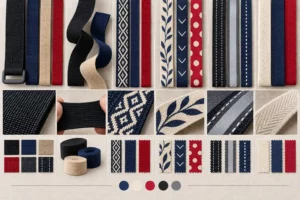
How to Choose the Right Narrow Fabric
A short comparison brief is more useful than asking for the “strongest” or “best” narrow fabric without context. Start with the job the component must perform, then define the measurable requirements.
- What will the fabric do? Separate support, adjustment, decoration, identification, closure, comfort, or visibility functions.
- What material family is preferred? If the material is not fixed, allow the supplier to recommend suitable options based on the application.
- What width and thickness are required? Provide target dimensions or an approved reference sample.
- What color and pattern are required? Provide Pantone or another agreed color reference when applicable.
- What surface feel and finish are acceptable? Consider comfort, appearance, handling, and downstream assembly.
- Does the product require stretch and recovery? Specify stretch direction and the points that must be checked during sampling.
- How will the component be attached? Sewing, folding, hardware assembly, or another attachment method can affect the suitable construction.
- Which performance requirements must be verified? Define the exact test, standard, or acceptance criteria instead of transferring a claim from another product.
Narrow Fabric Applications
Narrow fabrics are used across many product categories. The application should remain part of the specification because two products using similar-looking webbing may require very different constructions or acceptance checks.
Apparel & Underwear
Elastic bands, narrow trims, binding and jacquard elastic can support waistbands, garment openings, shoulder straps, sportswear details and comfort-oriented components.
Bags & Luggage
Nylon and polyester webbing can be used for handles, shoulder straps, adjustment straps, reinforcement and other carrying components. Width, thickness, hand feel, stitch position and hardware compatibility should be confirmed.
Outdoor & Sports
Webbing and elastic components may be used for backpacks, equipment straps, sports accessories and adjustable product parts. Strength, abrasion, stretch and environmental requirements should be specified according to the application.
Pet Products
Webbing and finished straps can be used for dog leashes, collars, harnesses and related accessories. Buyers should define width, construction, finished length, hardware, stitching and required performance.
Industrial & Visibility Applications
Reflective webbing, tapes and woven components may be used for workwear, outdoor equipment and other products where visibility or reinforcement is required. Application-specific requirements should be confirmed before bulk production.
How to Specify Narrow Fabrics for OEM Manufacturing
A practical OEM brief should be specific enough for a supplier to identify a suitable construction and prepare a meaningful sample, while leaving open items visible so the supplier can recommend alternatives.
|
Specification |
Information to Provide |
|
Application |
Where the fabric will be used and what function it performs |
|
Material |
Preferred material or whether supplier recommendation is welcome |
|
Width |
Target finished width and acceptable tolerance if known |
|
Thickness / Hand Feel |
Approximate thickness or preferred softness / firmness |
|
Color |
Color reference such as Pantone where applicable |
|
Pattern / Logo |
Artwork, repeat, scale, visible side and color requirements |
|
Stretch |
Stretch direction and required stretch / recovery where relevant |
|
Finish |
Surface, edge, coating, printing or other finish |
|
Attachment |
Sewing, folding, hardware assembly or other connection method |
|
Sample |
Required sample quantity and points to be approved |
|
Order Context |
Estimated quantity, target timing and repeat-order expectations |
What Should Be Confirmed on a Sample?
- Finished width and dimensions
- Color and visual consistency
- Pattern or logo scale and repeat
- Edge appearance
- Surface feel and handling
- Stretch, firmness or recovery where relevant
- Compatibility with the intended sewing or assembly process
- Any application-specific performance requirements
Keep the approved sample or reference clearly identified. If artwork, color, width, finish, attachment method or application changes after approval, treat the change as a new requirement and review it before bulk production.
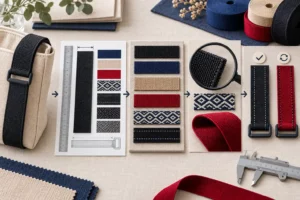
Custom Narrow Fabric Solutions from Wubao Textile
Wubao Textile focuses on elastic bands, webbing, custom straps and related textile components for different product applications. The product direction includes elastic bands, nylon and other woven webbing, jacquard and patterned options, reflective products, and finished strap solutions.
ForOEM and ODMprojects, the most useful starting information is the application, target width, material preference, color, artwork, finish, performance requirements, sample quantity and order context.
Internal link opportunities: Elastic Band products / Nylon Webbing / Polyester Webbing / Custom Straps & Narrow Fabrics / OEM & ODM Services.
Need Custom Narrow Fabrics?
Send Wubao Textileyour product requirements and reference information. Our team can discuss suitable constructions, customization options and sample requirements based on the intended application.
Please provide:
- Application
- Target width
- Material preference
- Color
- Pattern or logo
- Stretch or performance requirements
- Sample quantity
- Estimated order quantity
Call to Action: Request a Quote / Send Your Specifications
Frequently Asked Questions
What is the difference between narrow fabric and webbing?
Webbing is one important group within narrow fabrics, usually discussed as a woven tape or strap. Narrow fabrics is the broader purchasing category and can also include elastic bands, jacquard structures, printed tapes, labels, trims and related forms.
Which materials are commonly used for narrow fabrics?
Common material discussions include nylon, polyester, polypropylene, cotton, elastic materials, jacquard constructions and reflective materials. The suitable choice depends on the product job, dimensions, appearance, handling and sample result.
What should a buyer specify before requesting a sample?
Provide the application, product role, target width, material preference, color, pattern or logo, finish, stretch direction where relevant, attachment context and the points that must be checked on the sample.
Can narrow fabrics be customized?
Many narrow-fabric constructions can be customized in areas such as width, color, pattern, logo, finish and construction. The exact options should be confirmed according to the requested product and application.
Can you produce finished webbing straps?
Finished strap requirements may include cutting, folding, stitching and hardware assembly. Provide the finished length, attachment method, hardware requirements and reference sample or drawing when available.
Can one narrow-fabric specification be used for every application?
No. A strap for adjustment, a decorative trim, a branding tape and a component used near the body may require different constructions and acceptance checks. The application should remain part of the specification.
What information is needed for a narrow-fabric quotation?
The most useful information includes application, width, material preference, color, artwork, finish, performance requirements, sample quantity and estimated order quantity.


