

Sewing Nylon Webbing for Bulk Production: Seam Samples and Approval Checks
For sewing nylon webbing in bulk, define the finished joint, match the machine’s needle system and the needle and thread combination, then approve a physical seam sample with a written record of the setup.
A request for a stronger seam leaves the sewing team with questions. Which joint? Through how many layers? What should the finished stitching look like? Agree on those details before the workshop starts the order.
At Wubao, we recommend treating the webbing sample and the stitched assembly as separate items for approval. Use the following workflow to discuss a general-purpose sewn product with your webbing supplier and sewing contractor.
Define the nylon webbing joint before choosing sewing settings
Start with a sketch of the joint as it will be sewn. Mark the fold, the overlap, the stitch area and any adjoining fabric. Include a side view where the layers are difficult to understand from above.
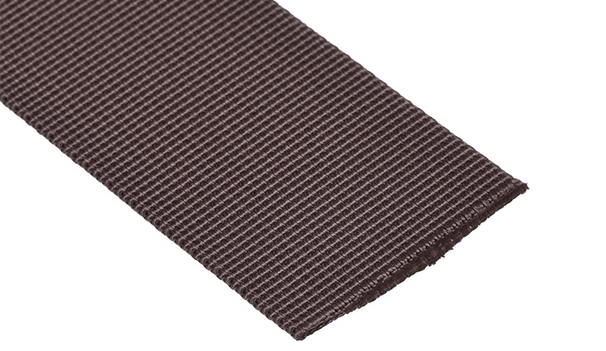
For material selection, our nylon webbing range provides a starting point. Once you have selected a candidate, identify the exact sample used for the sewing trial. Record its width, thickness and finish rather than referring only to its color.
Count the layers at the actual stitch path. For a folded end attached to another material, include that material in the drawing and in the trial. Ask the sewing team to check the intended assembly on its own equipment.
We suggest putting these inputs on one sheet before anyone chooses a setting.
|
Trial input |
What to record |
|
Webbing identity |
Supplier reference, sample reference, material, width and thickness. |
|
Joint construction |
Fold direction, overlap, layer count and adjoining material. |
|
Stitch requirement |
Stitch type, layout, stitch density and the units used. |
|
Intended use |
The finished product and the checks its owner requires. |
Leave undecided fields clearly marked for discussion. A blank stitch-density field is a question to resolve with the sewing team; it should not quietly become an assumed production setting.
For example, if your sketch shows a folded strap end, request a sample of that fold. Ask the contractor to identify where stitching begins and ends. Keep any construction change visible on the drawing, even if the outside appearance stays similar.
Match the machine needle system and thread to the folded layers
The needle system must match the machine manufacturer’s specification. Check that requirement before selecting a needle size. Within the compatible system, choose the needle type for the material and the size for the thread thickness.
Ask the workshop to record the full needle designation from the packet. Keep the system, type and size in separate fields on the trial sheet. Use that reference when discussing the next sample with the sewing team.
Thread should pass smoothly through the needle eye. Ask the operator to check the proposed pairing and consult the equipment and thread guidance for the assembly. Avoid selecting a needle solely because its size sounds suitable for thick webbing.
Specify the thread type, size and color. If the needle and bobbin use different threads, record both. Include the thread’s own size designation so that a future order does not depend on an informal description such as heavy thread.
Keep the first trial simple. We recommend starting with the workshop’s proposed combination, recording the result, then changing one setting at a time where practical. Give each trial its own reference and keep the earlier sample beside it.
If a larger needle is proposed, ask what problem the change is meant to address. Recheck the machine’s required system and the thread pairing before approving the substitution. Compare the resulting seam against the same drawing and appearance requirements.
The buyer’s role here is to make the specification clear. The sewing operator should establish the actual setup on the intended equipment and material. Record those settings after the trial, together with any conditions the team needs to reproduce them.
Run a seam trial and record visible defects
Inspect the sample against the drawing and write down what you can see. Look at both faces, the stitch starts and ends, and the folded section. Separate the observation from the proposed cause so that the next trial has a clear purpose.
Puckering deserves that distinction. Fabric structure, seam construction, needle and thread size, and feeding problems can all contribute. A puckered seam does not, by itself, identify which setting needs attention.
Use a short log to turn an observation into a question for the sewing team.
|
Observation |
Suggested record |
Question for the next trial |
|
Gaps in the stitch sequence |
Photograph and mark the location. |
Has the operator checked the setup at this part of the joint? |
|
Puckering or waviness |
Note which face and section show it. |
Which material, construction or feeding factor will the team check? |
|
Visible yarn damage |
Mark the affected area on the sample. |
What change will the workshop trial, and what will it compare? |
|
Uneven stitch spacing |
Record the section and measured spacing. |
Does it match the agreed stitch-density requirement? |
These are review prompts. Ask the sewing team to diagnose the cause, record the adjustment and submit a new trial for comparison. Keep your acceptance decision separate from the operator’s explanation of the defect.
For a custom material, settle the webbing specification alongside these trials. Our custom webbing options include discussions about material, width, color and pattern. Identify which version the sewing contractor has actually received.
Before signing off, list any additional product checks required by the buyer’s specification and who will perform them. Give those results their own approval field. Keep an appearance approval limited to the appearance examined in that sample.
We recommend agreeing on the defect descriptions before reviewing a batch.
Use marked photographs where wording is ambiguous, and retain the corresponding physical sample. If a feature is acceptable only within an agreed limit, put that limit and its measurement method in writing.
Approve a seam sample for repeatable bulk orders
Pair the accepted sample with a dated specification and a named approver. The record should identify the webbing, joint drawing, thread and sewing setup used. Ask the contractor how it will check production against that record.
Use the following as a suggested approval checklist. Add the requirements specific to your product rather than treating the list as a test standard.
- Identify the physical sample and its matching drawing revision.
- Record the webbing reference, folded layers and adjoining materials.
- Record the needle designation, thread details and agreed stitch layout.
- Attach the appearance observations and any required product-check results.
- Name the approver, approval date and outstanding conditions, if any.
- Agree who can authorize a substitution and how it will be recorded.
Ask who holds the reference sample during production. We suggest keeping an agreed copy with the sewing contractor and a matching record with the buyer. Record where each sample is stored and who can retrieve it when an inspection question arises.
For a disputed result, return to the recorded requirement and sample reference. Ask each party to identify the exact feature under review before proposing another adjustment.
Make the approval scope explicit. If you are approving color and stitching appearance today, say so. Leave any unfinished product checks visible, with an owner and a next action, before deciding whether the order can proceed.
For a repeat order, ask the sewing contractor to compare the proposed materials and setup with the retained record. We recommend a fresh sample review when the webbing, thread, joint or equipment changes. Record the decision even when the change is accepted.
Avoid referring to an attachment simply as the latest sample. Put the same reference on the sample label, drawing and approval message. When a revision replaces an earlier one, mark which reference the contractor should use for production.
At Wubao, we work with customers on webbing colors, widths and patterns.
To discuss your webbing sample, send the material specification, joint sketch, folded layer count and intended application. Include the sewing trial reference so the discussion stays tied to the assembly you plan to approve.


