

วิธีเลือกยางยืดสำหรับชุดชั้นในที่ดีที่สุด: ปัจจัยสำคัญสำหรับผู้ผลิต
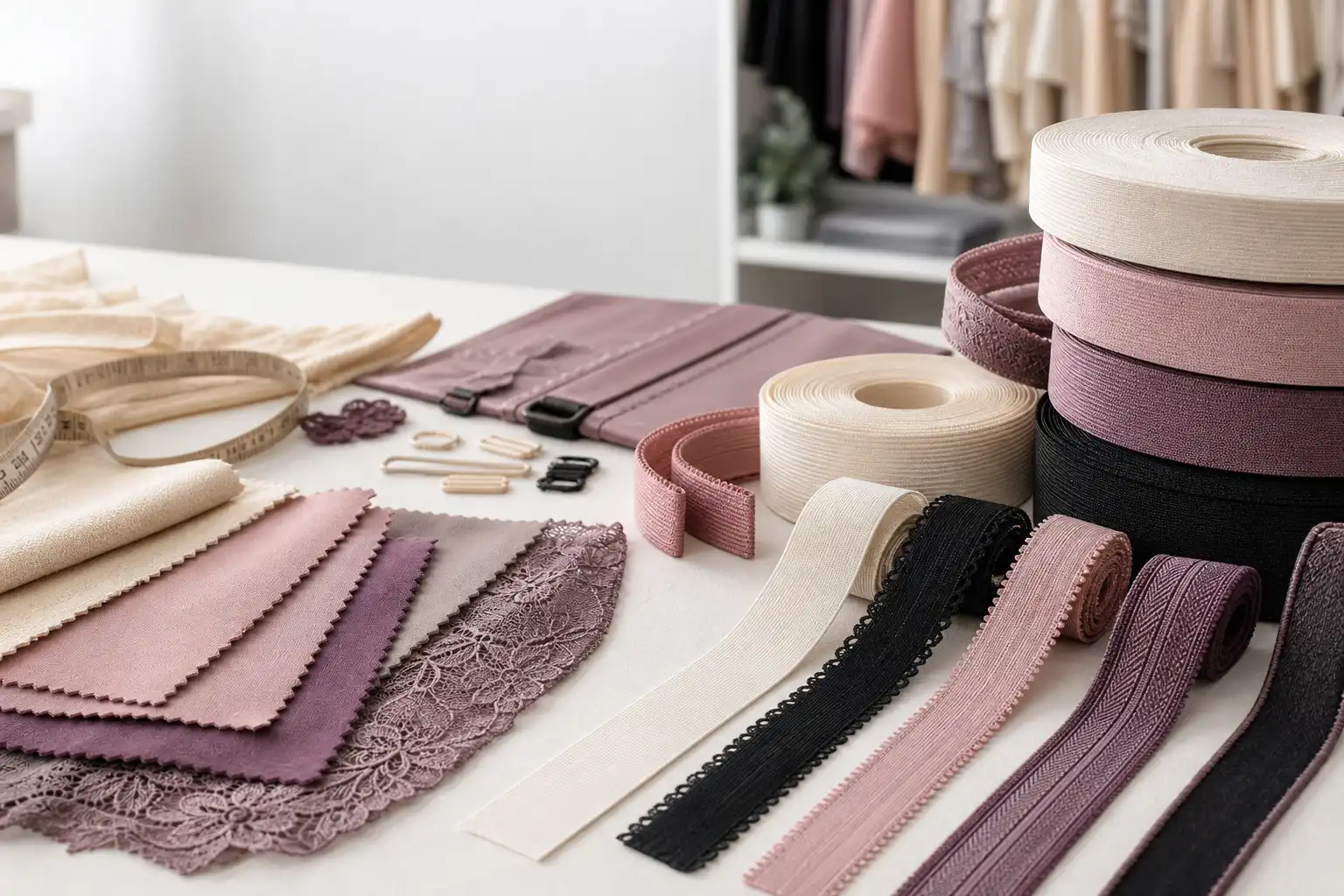
โดยปกติแล้วยางยืดจะชำรุดก่อนที่เนื้อผ้าจะชำรุด
ตัวอย่างชุดชั้นในอาจดูดีบนหุ่นลอง แต่เมื่อสวมใส่จริงกลับไม่พอดี ขอบใต้วงแขนม้วนงอหลังจากใส่ไปเพียงชั่วโมงเดียว สายเดี่ยวก็ยืดออกเรื่อยๆ ยางยืดแบบปิโกต์ทำให้เกิดรอยนูนแข็งๆ บนผิวหนัง กว่าปัญหาเหล่านี้จะไปถึงสายการผลิต การเปลี่ยนยางยืดอาจทำให้แบบ การเย็บ การใช้ผ้าตกแต่ง และต้นทุนเปลี่ยนแปลงไปด้วย
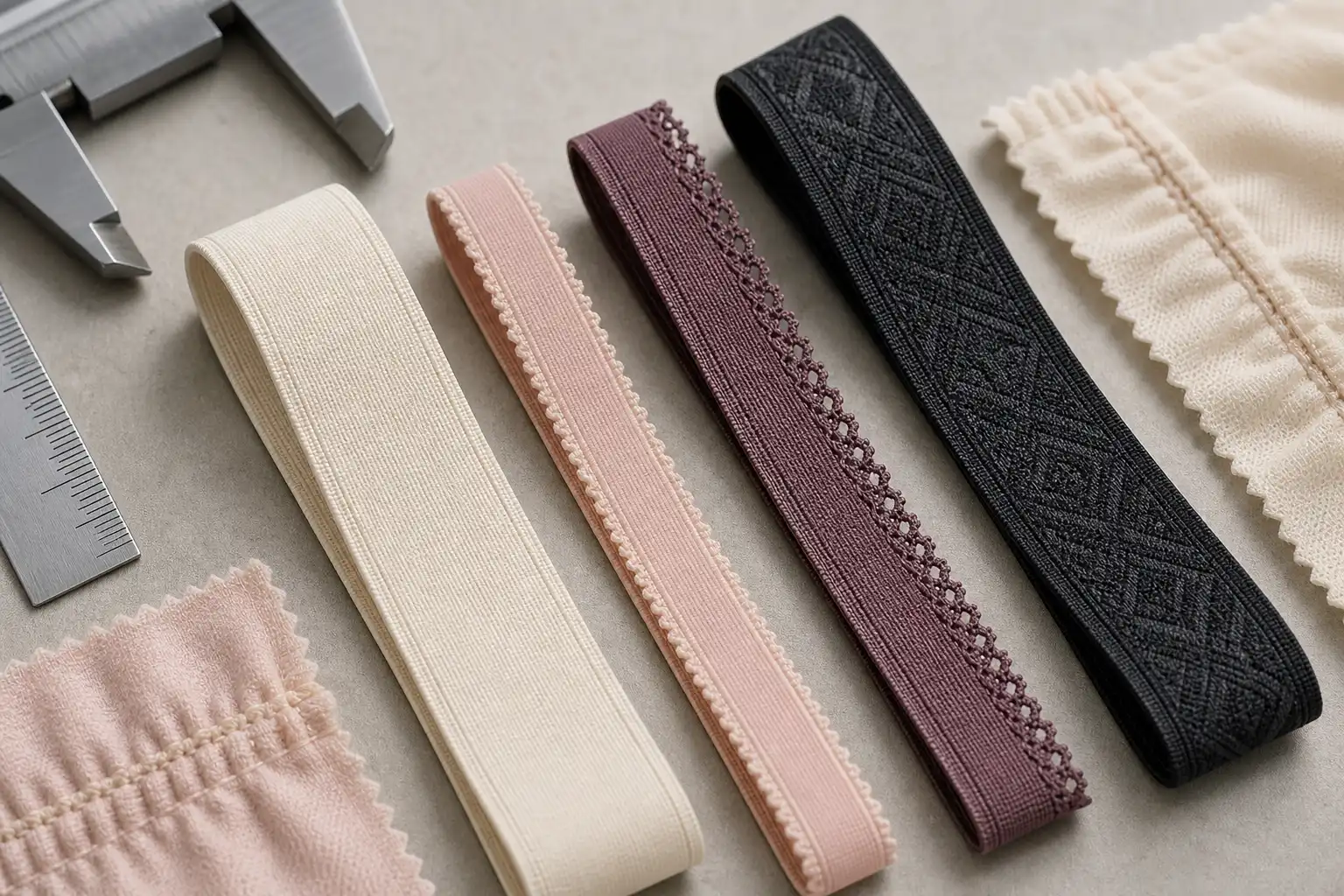
บริษัท Wubao ผลิตยางยืดหลากหลายประเภทสำหรับชุดชั้นในและกางเกงใน รวมถึงยางยืดแบบเรียบ ยางยืดขอบถัก ยางยืดลายทแยง ยางยืดทอธรรมดา และยางยืดลายจาการ์ด การเลือกควรเริ่มต้นจากหน้าที่ที่ยางยืดแต่ละชนิดต้องทำในชุดนั้นๆ โดยพิจารณาจากรูปลักษณ์หลังจากความต้องการด้านประสิทธิภาพแล้ว
เริ่มจากโซนตัดเย็บ ไม่ใช่ยางยืดแบบทั่วไป
ผู้ผลิตยางยืดสำหรับชุดชั้นในต้องการมากกว่าแค่คำขอใช้ยางยืดแบบนุ่ม ชุดชั้นในแบบเดียวกันอาจใช้ยางยืดถึงสี่แบบที่มีแรงยืด การสัมผัสกับผิวหนัง และวิธีการเย็บที่แตกต่างกัน จึงควรกำหนดขอบเขตการใช้งานให้ชัดเจนก่อนที่จะเปรียบเทียบตัวอย่าง
ขอบยางยืดใต้วงแขนและขอบเอว
ขอบใต้วงแขนและขอบเอวจะรับแรงดึงคงที่รอบลำตัว จึงจำเป็นต้องมีแรงยึดเกาะมากพอที่จะอยู่ทรง แต่หากโครงสร้างแข็งหรือหนาเกินไปอาจกดทับผิวหนังและมองเห็นได้ชัดเจนผ่านเนื้อผ้าที่บางเบา ความกว้างยังส่งผลต่อการกระจายแรงกดและลักษณะของขอบหลังการเย็บด้วย
- สอบถามผู้ผลิตยางยืดสำหรับชุดชั้นในเกี่ยวกับช่วงการยืดตัว การคืนตัวหลังจากการยืดซ้ำ ความหนา และสัมผัสของวัสดุที่ความกว้างที่ต้องการ
- เย็บยางยืดติดกับเนื้อผ้าหลักโดยตรง แม้ยางยืดจะมีความคงตัวดี แต่ก็ยังอาจทำให้เกิดการลอดเป็นโพรงได้ หากชนิดของผ้า อัตราการป้อนผ้า เข็ม หรือความหนาแน่นของตะเข็บไม่เหมาะสม
สายรัดยางยืด
สายเสื้อชั้นในและสายเสื้อซับในจำเป็นต้องมีความยืดหยุ่นในระดับที่เหมาะสม หากยืดมากเกินไปจะทำให้รู้สึกไม่กระชับ หากยืดน้อยเกินไปจะทำให้เกิดแรงกดที่ไหล่และปรับยาก พื้นผิวของเสื้อก็มีความสำคัญเช่นกัน เพราะตัวเลื่อนต้องเคลื่อนที่ได้ขณะลองสวม และต้องคงตำแหน่งนั้นไว้ขณะสวมใส่
เมื่อเลือกซื้อยางยืดสายบราแบบขายส่ง ให้ทดสอบกับห่วงและตัวเลื่อนที่เลือกไว้ วัดขนาดของชุดสายบราทั้งหมดหลังจากใช้งานแล้ว ไม่ใช่แค่วัดยางยืดบนโต๊ะวัดเท่านั้น แรงเสียดทานของอุปกรณ์ การพับ และการเย็บย้ำ ล้วนส่งผลต่อผลลัพธ์
ขอบถักโครเชต์ และยางยืดตกแต่ง
ยางยืดตกแต่งจะอยู่บริเวณที่ลูกค้าสามารถมองเห็นและสัมผัสได้ Wubao นำเสนอยางยืดขอบถักโครเชต์ที่ทำจากโพลีเอสเตอร์และน้ำยางธรรมชาติในขนาดความกว้าง 2.5, 3.0 และ 4.0 เซนติเมตร ซึ่งเหมาะสำหรับชุดชั้นในและกางเกงใน โครงสร้างดังกล่าวสามารถผสมผสานความยืดหยุ่นและขอบตกแต่งเข้าด้วยกัน ช่วยลดความจำเป็นในการใช้ขอบตกแต่งเพิ่มเติมในงานออกแบบที่เหมาะสม
ตรวจสอบขอบผ้าที่แนบกับผิวหนัง ลักษณะด้านหน้าและด้านหลัง ทิศทางของลวดลายตกแต่ง และวิธีที่ยางยืดโค้งงอตามส่วนต่างๆ ขอบผ้าที่สวยงามแต่ยุบตัวลงเมื่อถูกตีนผีจะทำให้การเย็บช้าลง
การใช้งานแบบพับและเข้าเล่ม
ยางยืดสำหรับเย็บขอบต้องพับได้อย่างเรียบร้อยและเลื่อนได้สม่ำเสมอขณะเย็บปิดขอบผ้า ผู้ใช้งานต้องแน่ใจว่ารอยพับตรงกลางมีความมั่นคง ยืดหยุ่นได้ตามต้องการ และครอบคลุมพื้นที่เพียงพอเพื่อป้องกันไม่ให้ผ้าหลุดออก ทดสอบดูบริเวณขอบขาและส่วนโค้งแคบๆ ที่มักเกิดการบิดงอและเป็นก้อนได้ง่าย
ห้าคุณสมบัติที่ควรค่าแก่การระบุเป็นตัวเลขที่แท้จริง
คำต่างๆ เช่น นุ่ม แข็งแรง และคืนตัวได้ดีนั้น ไม่เหมาะสมสำหรับใบสั่งซื้อสินค้า โปรแกรมการผลิตยางยืดสำหรับชุดชั้นในแบบสั่งทำพิเศษจำเป็นต้องมีเงื่อนไขการทดสอบและค่าความคลาดเคลื่อนที่ตกลงกันไว้
การยืดตัว โมดูลัส และการคืนตัว
เปอร์เซ็นต์การยืดบอกคุณว่ายางยืดนั้นยืดออกไปได้ไกลแค่ไหน แต่ไม่ได้บอกคุณว่าผู้สวมใส่รู้สึกถึงแรงกดมากแค่ไหน ณ จุดที่ยืดออกนั้น ค่าโมดูลัส ซึ่งเป็นแรงกด ณ จุดที่ยืดออกนั้น ช่วยอธิบายว่าทำไมยางยืดสองชิ้นที่ยืดออกได้ใกล้เคียงกันจึงให้ความรู้สึกแตกต่างกันอย่างสิ้นเชิงบนร่างกาย การคืนตัวแสดงให้เห็นว่ายางยืดนั้นกลับคืนสู่สภาพเดิมได้ใกล้เคียงแค่ไหนหลังจากที่เอาแรงกดออกแล้ว
- บันทึกความยาวเกจเริ่มต้น ระดับการยืด ระยะเวลาการคงสภาพ จำนวนรอบ เวลาพัก และการเจริญเติบโตที่เหลืออยู่ซึ่งยอมรับได้
- กำหนดเป้าหมายที่แตกต่างกันสำหรับขอบใต้กางเกง ปลายขากางเกง และสายสะพายไหล่ มาตรฐานเดียวมักใช้ไม่ได้ผลกับทั้งสามส่วนนี้
ความกว้าง ความหนา และรูปทรงขอบ
การระบุความกว้างอย่างเดียวมองข้ามปัญหาการผลิตทั่วไปสองประการ ความหนาอาจส่งผลต่อความเข้ากันได้กับตัวพับและความหนาของตะเข็บ รูปทรงขอบอาจส่งผลต่อสัมผัสของผิวและว่าขอบจะม้วนงอหลังการเย็บหรือไม่ ควรสอบถามค่าความคลาดเคลื่อน จากนั้นตรวจสอบม้วนผ้าในหลายจุดแทนที่จะตรวจสอบตัวอย่างที่ตัดแล้วเพียงจุดเดียว
สี ล็อตการย้อม และลักษณะที่ปรากฏภายใต้แรงดึง
ยางยืดจะเปลี่ยนลักษณะเมื่อถูกยืด เส้นใยพื้นฐานจะแยกออกจากกัน ส่วนประกอบที่เป็นยางหรือลาเท็กซ์อาจมองเห็นได้ชัดเจนขึ้น และโลโก้แบบแจ็กการ์ดอาจบิดเบี้ยว ตรวจสอบสีและลวดลายทั้งในขณะที่ผ่อนคลายและในขณะที่ยืดออก สำหรับชุดชั้นในที่เข้าชุดกัน ให้เปรียบเทียบยางยืดกับลูกไม้ ไมโครไฟเบอร์ ตาข่าย ด้าย และอุปกรณ์โลหะภายใต้แหล่งกำเนิดแสงเดียวกัน
ความคงทนต่อการซักและสวมใส่
เงื่อนไขการดูแลรักษาควรตรงกับฉลากผลิตภัณฑ์และกลุ่มเป้าหมาย ประเมินการเปลี่ยนแปลงขนาด การคืนตัว การถ่ายโอนสี การม้วนงอของขอบ การเกิดขุยบนพื้นผิว และการแยกชั้นตามความเหมาะสม การกล่าวอ้างประสิทธิภาพใดๆ เป็นไปตามโครงสร้างยางยืดและวิธีการทดสอบที่แน่นอน ชื่อของเส้นใยเพียงอย่างเดียวไม่สามารถบ่งชี้ถึงการกล่าวอ้างนั้นได้
ทางเลือกด้านวัสดุและการก่อสร้าง
Wubao ผลิตสินค้าที่มีความยืดหยุ่นหลากหลายรูปแบบ โดยใช้วัสดุโพลีเอสเตอร์และน้ำยางธรรมชาติ รวมถึงแบบเรียบ แบบขอบถัก แบบทวิลล์ และแบบจาการ์ด ผู้ซื้อควรตรวจสอบส่วนประกอบที่แน่นอนของสินค้าที่เลือก และแจ้งข้อกำหนดเกี่ยวกับวัสดุที่ห้ามใช้ก่อนส่งตัวอย่าง
ยางยืดแบบเรียบและทอธรรมดาสำหรับฐานรองที่สะอาดหมดจด
ยางยืดแบบเรียบให้พื้นผิวที่เรียบเนียนสำหรับนักออกแบบ และใช้งานได้ดีในกรณีที่ยางยืดถูกซ่อนไว้หรือใช้เป็นแถบที่มองเห็นได้ เนื้อผ้าแบบเรียบหรือแบบทวิลล์สามารถเปลี่ยนความหนึบ ความนุ่ม และน้ำหนักที่มองเห็นได้ การเลือกควรพิจารณาจากเนื้อผ้าและวิธีการเย็บมากกว่าภาพในแคตตาล็อก
ยางยืดแจ็กการ์ดสำหรับขอบเอวแบรนด์เนม
ยางยืดแบบจาการ์ดจะทอโลโก้หรือลวดลายลงในแถบยางยืด Wubao มีจำหน่ายยางยืดแบบจาการ์ดในขนาดความกว้าง 2.5, 3.0 และ 4.0 ซม. และรองรับสี ความกว้าง และลวดลายที่กำหนดเองได้ สำหรับยางยืดชุดชั้นในที่มีแบรนด์ โปรดระบุรูปแบบการทำซ้ำของภาพ ความสูงของโลโก้ที่อ่านได้ชัดเจน การอ้างอิงสี การวางแนวของพื้นผิว และระยะเผื่อตะเข็บก่อนส่งตัวอย่างชิ้นแรก
ตัวอักษรขนาดเล็กเกินไปมักทำให้โครงการมีปัญหา โลโก้อาจดูสะอาดตาบนหน้าจอและดูดีขึ้นเมื่อพิจารณาถึงเส้นด้าย ความหนาแน่นของการทอ และความยืดหยุ่น ควรตรวจสอบความถูกต้องของโลโก้ในขนาดจริงและในขนาดที่ใช้งานได้จริง
การสุ่มตัวอย่างสำหรับสายการผลิตเย็บผ้า
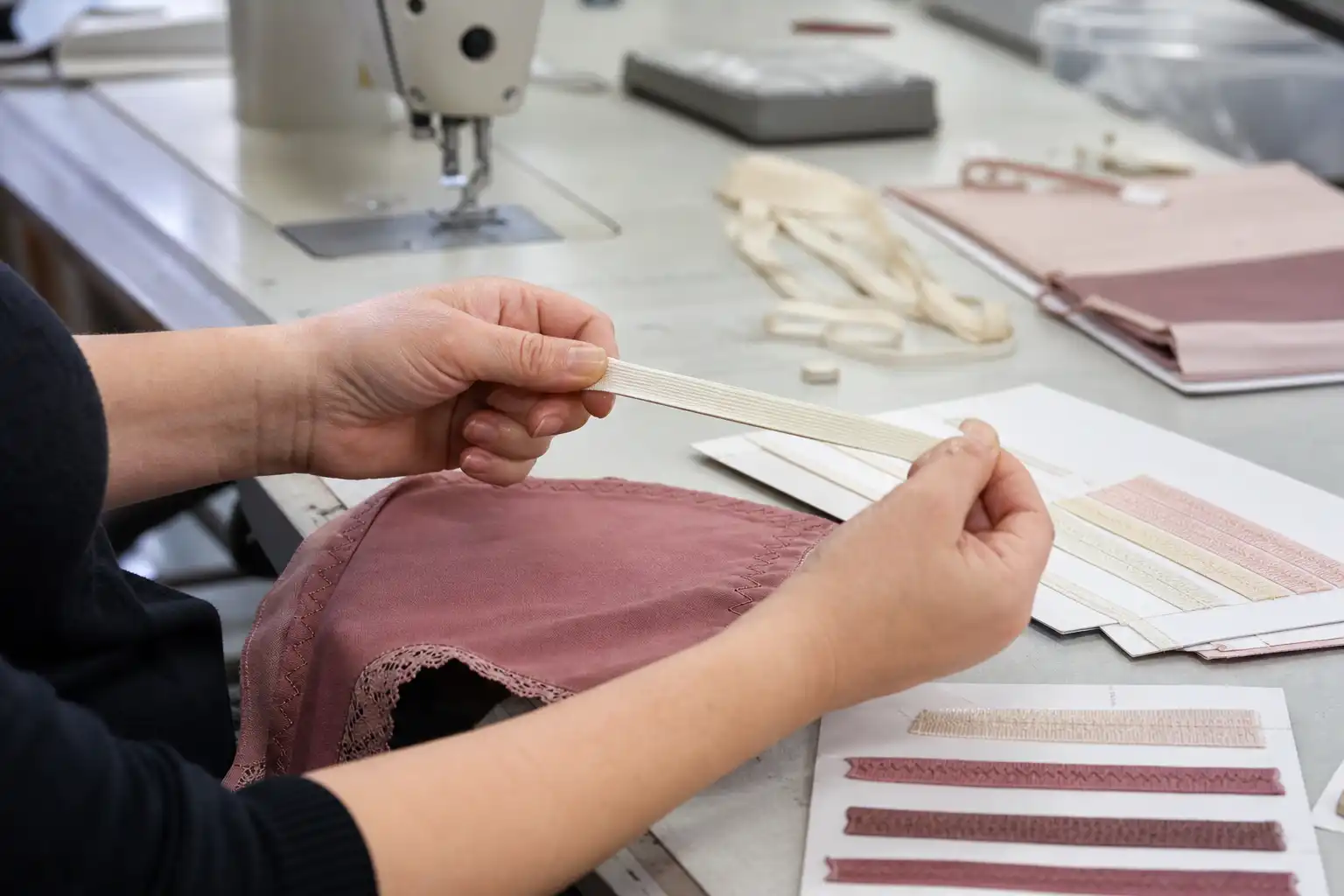
บัตรอนุมัติการตัดเย็บมีประโยชน์ แต่ไม่สามารถคาดการณ์ผลผลิตได้ด้วยตัวเอง ควรจัดเตรียมยางยืดให้โรงงานเพียงพอสำหรับการทดสอบการยืด การตัด การต่อ และการเย็บด้วยเครื่องจักรที่กำหนดไว้
ทดลองตัดเย็บเสื้อผ้าขนาดเล็ก
ทำตัวอย่างอย่างน้อยสองขนาดที่เกี่ยวข้อง ตรวจสอบวิธีการตัด การซ้อนทับ การเชื่อมต่อ การป้อน และการเย็บตกแต่งของยางยืด ขอให้ทีมเย็บผ้าบันทึกอัตราส่วนการป้อน การป้อนแบบแยกส่วน (หากใช้) ประเภทของตะเข็บ ความหนาแน่นของตะเข็บ เข็ม ด้าย อุปกรณ์พับ และข้อสังเกตของผู้ปฏิบัติงาน
- สังเกตดูว่ามีตะเข็บกระโดด รูทะลุ ความเป็นคลื่น ความเสียหายที่ขอบ ความมันเงา การรวบที่ไม่สม่ำเสมอ และความหนาของการซ้อนทับที่ไม่เท่ากันหรือไม่
- หลังจากผ่อนคลายแล้ว ให้วัดขนาดช่องเปิดและเปรียบเทียบกับแบบเป้าหมาย จากนั้นให้ตรวจสอบซ้ำอีกครั้งหลังจากทำการทดสอบการดูแลรักษาตามที่ตกลงกันไว้
อนุมัติรายชื่อการผลิต
ยางยืดสำหรับชุดชั้นในแบบขายส่งจะมาในรูปแบบม้วน ดังนั้นลักษณะการจัดเรียงม้วนและบรรจุภัณฑ์จึงส่งผลต่อขั้นตอนการตัดเย็บ ตรวจสอบความยาวม้วน นโยบายการต่อ การติดฉลาก แรงดึงในการม้วน บรรจุภัณฑ์ป้องกัน และการแยกสีตามล็อต แรงดึงในการม้วนที่มากเกินไปอาจทำให้ยางยืดถูกบีบอัดบนม้วนและทำให้การวัดขนาดที่ส่งมาคลาดเคลื่อนได้
ควรส่งอะไรให้ผู้ผลิตยางยืดสำหรับชุดชั้นในแบบสั่งทำพิเศษ
Wubao สนับสนุนงาน OEM และ ODM ตั้งแต่การทำตัวอย่างและการเสนอราคา ไปจนถึงการผลิต การตรวจสอบ การบรรจุภัณฑ์ และการจัดส่ง ชุดข้อมูลทางเทคนิคที่ครบถ้วนจะช่วยลดขั้นตอนเหล่านี้ให้สั้นลง
- ประเภทของเสื้อผ้า ตำแหน่งของยางยืด ความกว้างสำเร็จรูป ความต้องการในการตัดเย็บ ข้อจำกัดของส่วนประกอบ สัมผัสมือที่ต้องการ สีอ้างอิง งานศิลปะ และปริมาณต่อปีหรือตามคำสั่งซื้อ
- การขยายระยะเวลาการทำงาน, ข้อกำหนดในการฟื้นตัว, วิธีการดูแลรักษา, กระบวนการเย็บ, การจับคู่ผ้า, ค่าความคลาดเคลื่อน, บรรจุภัณฑ์, การติดฉลาก และข้อกำหนดของตลาดปลายทาง
หากเป็นไปได้ ควรแชร์ตัวอย่างมาตรฐานที่ได้รับการอนุมัติ แต่ควรอธิบายว่าควรเปลี่ยนแปลงอะไรบ้าง การคัดลอกคุณสมบัติทุกอย่างของยางยืดแบบเดิมอาจทำให้ปัญหาที่ผู้ผลิตรายใหม่ต้องการแก้ไขยังคงอยู่เหมือนเดิม
ยางยืดชุดชั้นในจาก Source Lingerie Elastics with Wubao
บริษัท Wubao มีประสบการณ์มากกว่า 10 ปีในการผลิตแถบยางยืดและสายรัดในเมืองหุยโจว ผลิตภัณฑ์ของบริษัทครอบคลุมทั้งแบบเรียบ แบบลายทแยง แบบทอธรรมดา แบบขอบโครเชต์ แบบจาการ์ด และโครงสร้างยางยืดอื่นๆ พร้อมทั้งสามารถปรับแต่งสี ความกว้าง ความแข็งแรง และลวดลายได้ตามต้องการ
ส่งข้อมูลการสมัครผลิตเสื้อผ้า เป้าหมายทางเทคนิค การจับคู่ผ้าและอุปกรณ์ สีอ้างอิง งานศิลปะ จำนวน และความต้องการบรรจุภัณฑ์ไปยัง Wubao ขอตัวอย่างวัสดุก่อน จากนั้นจึงคัดเลือกวัสดุที่ดีที่สุดเพื่อทดลองตัดเย็บก่อนอนุมัติการผลิตจำนวนมาก
ขอตัวอย่างยางยืดสำหรับชุดชั้นในแบบสั่งทำพิเศษจาก Wubao และพูดคุยเกี่ยวกับโปรแกรม OEM หรือโปรแกรมขายส่งของคุณ
คำถามที่พบบ่อย
คำตอบสั้นๆ เหล่านี้ครอบคลุมคำถามที่ผู้ซื้อมักถามในระหว่างการพัฒนาวัสดุยางยืดสำหรับชุดชั้นใน
ถาม: ยางยืดชนิดไหนดีที่สุดสำหรับขอบเอวชุดชั้นใน?
A: เลือกโดยพิจารณาจากความยืดหยุ่นในการใช้งาน ค่าโมดูลัส การคืนตัว ความกว้าง ความหนา ความรู้สึกเมื่อสัมผัสกับผิว การจับคู่เนื้อผ้า และวิธีการเย็บ
ถาม: ผู้ผลิตควรทดสอบการคืนตัวของยางยืดอย่างไร?
A: ตกลงกันเรื่องความยาวของเกจ การยืด การวนรอบ ระยะเวลาการคงไว้ และระยะเวลาพัก จากนั้นวัดการเจริญเติบโตที่เหลืออยู่ด้วยวิธีการที่สามารถทำซ้ำได้
ถาม: สามารถสั่งทำยางยืดลายจาการ์ดพร้อมโลโก้ได้หรือไม่?
A: ใช่ค่ะ อนุมัติแบบงานออกแบบตามความกว้างจริง และตรวจสอบความชัดเจนขณะที่ยางยืดถูกยืดออก
ถาม: ทำไมยางยืดของชุดชั้นในถึงย่นหลังจากเย็บเสร็จ?
A: สาเหตุทั่วไป ได้แก่ อัตราส่วนการป้อนผ้าไม่ถูกต้อง การตั้งค่าตะเข็บไม่เข้ากัน ผ้าไม่เรียบ ขอบไม่มั่นคง หรือการคลายตัวไม่เพียงพอ
ถาม: ควรระบุอะไรบ้างในข้อกำหนดเฉพาะสำหรับวัสดุยืดหยุ่นจำนวนมาก?
A: ระบุรายละเอียดเกี่ยวกับการก่อสร้าง องค์ประกอบ ขนาด ความคลาดเคลื่อน สี การทดสอบประสิทธิภาพ รูปแบบม้วน นโยบายการต่อ การติดฉลาก และบรรจุภัณฑ์


