

Heavy-Duty Nylon vs. Standard Webbing: Is the Extra Strength Truly Necessary
In manufacturing, a product holds up only as well as its weakest part. For designers in tactical, outdoor, and industrial fields, that part often is the webbing strap. You may run into this common issue: Does basic polyester work fine, or should you switch to heavy-duty nylon? Picking the incorrect material can mean more than just a returned item. In safety-focused uses, it might cause serious breakdowns.

Wubao, a skilled maker with more than 10 years of know-how, focuses on creating top-quality elastic bands and webbing tapes. These address exactly those building challenges. We know that “heavy-duty” means real performance, not just a sales pitch.
Understanding the Materials: Is it Just About Strength?
Many kinds of webbing appear alike at first glance. Yet, their inner makeup determines how they handle stress.
Nylon vs. Polyester vs. Polypropylene: A Comparative Overview
To aid your choice, here are the main differences:
|
Feature |
Heavy-Duty Nylon (Wubao) |
Standard Polyester |
Polypropylene (PP) |
|
Tensile |
Strength |
Exceptional |
High Moderate |
|
Shock Absorption |
Excellent (High Elasticity) |
Low |
Very Low |
|
Abrasion Resistance |
Superior (Tight Weave) |
Good |
Fair |
|
Hand Feel |
Soft & Pliable |
Firm/Stiff |
Plastic-like |
|
Best Used For |
Safety gear, tactical belts, pet leashes |
bag straps, printing, furniture |
light bundling, retail handles |
The Science of “Shock Absorption” in Nylon Filaments
A key benefit of Wubao nylon webbing lies in its skill at handling sudden loads. Polyester stays fairly rigid, but nylon offers some flex. When a quick force hits—like a climber dropping onto a harness or a dog yanking a leash—the nylon threads extend a bit to take in the energy. This stretch stops the webbing from breaking right away under sharp pulls. As a result, it adds an important safety buffer that basic materials lack.
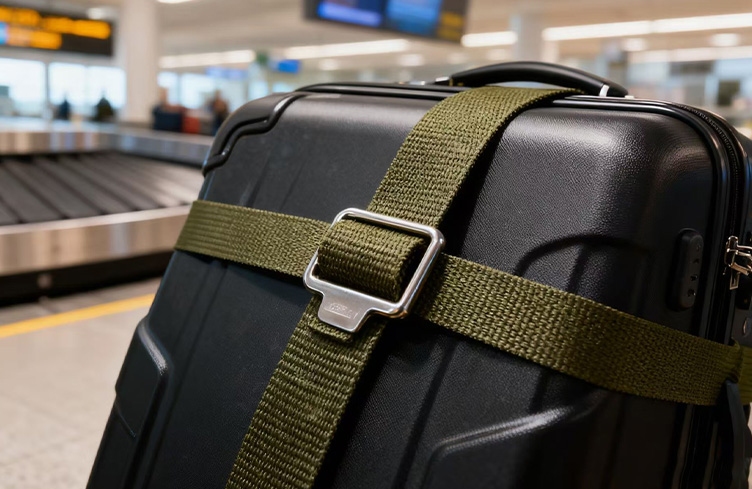
Critical Application Scenarios: Where Heavy-Duty Nylon is Non-Negotiable
“Strength” seems appealing in theory. But in what real situations does it fix issues for your customers?
Outdoor & Tactical Gear: Surmounting the Abrasion Challenge
Tactical settings mean gear gets pulled over rocks, through rough plants, and past metal clips all the time. Basic webbing tends to wear down and fray. This leads to edge rips or weaker spots. Wubao’s heavy-duty nylon webbing has a dense, even weave that stands up well to rubbing. Thus, it keeps backpack straps and heavy gear solid for years in tough conditions.
Industrial & Transport: Ensuring Safety and Life-Critical Performance
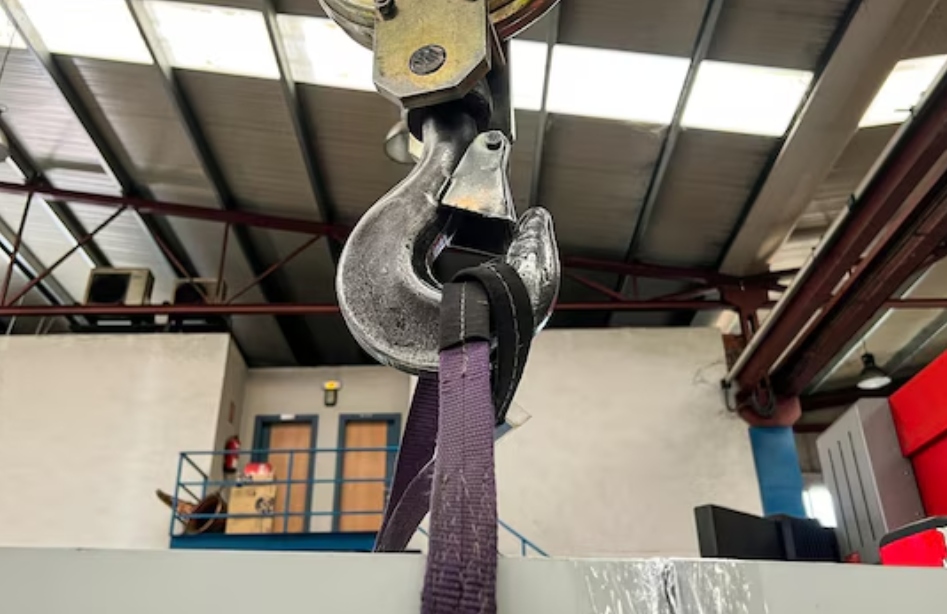
In factory lifting slings or cargo secure straps, safety comes first every trip. A broken strap in transit could damage items or hurt workers. Wubao uses strong nylon threads and extra-secure weaves. So, our webbing handles weights well above normal standards. This brings confidence in demanding spots.
Pet Products: Balancing Rugged Durability with Soft Handling
Pet owners deal with collars that rub skin or leashes that feel harsh in the hand. Heavy-duty nylon fixes both concerns. First, it holds up without breaking when a big dog tugs hard. Second, even with its toughness, Wubao nylon feels gentler and bends more easily than most synthetics. It stays kind to skin, so it avoids chafing a pet’s neck or burning the owner’s hands.
Product Spotlight: Why Wubao Webbing Stands Out
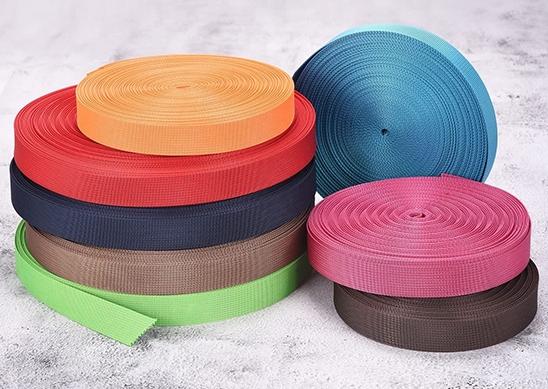
At Wubao, we build more than items; we craft fixes for real needs. Our Custom Color Heavy Duty Nylon Webbing fits tactical belts and quality bag straps perfectly.
Engineering Reliability into Every Roll
We follow six careful stages in making it, from picking base materials to hand-feeding yarns and checking the end product. This steady method promises even size and power you can count on in your setup. Need 2.0cm width for a pet collar or 5.0cm for a factory sling? Our 300,000-meter output each month lets us grow with your orders.
Customization: Beyond Standard Widths and Colors
Many suppliers stick to basic options and limit designs. Wubao provides broad OEM and ODM help. We team up with buyers to create:
- Custom Tensile Strengths: Built for exact weight needs.
- Unique Branding: Woven logos or matched Pantone shades to fit your brand.
- Specialized Coatings: Like grip-adding silicone for items that must hold steady.
Practical Buyer’s Checklist: Making the Right Choice
Before your next big purchase, consider these points:
- Will this product face a sudden impact? If so, pick heavy-duty nylon for its shock handling.
- Will it be handled frequently by humans or pets? If yes, nylon’s smooth touch beats the stiff feel of polypropylene.
- Is weight distribution a concern? For comfortable bag straps, try Wubao’s webbing made to spread the load along body lines.
- Are there specific environmental stressors? If UV protection or water resistance matters, check that your maker adds these during weaving.
Conclusion
Switching to heavy-duty nylon webbing builds trust in your brand’s dependability. Basic webbing might cut costs now, but fixing failures later costs much more. At Wubao, we supply a strong base so your goods keep working well, fitting right, and staying safe over time.
Ready to boost your lineup with better webbing? Reach out to Wubao now for free samples or to talk about a tailored job!
- WhatsApp: +8617712477116
- Email: oliviahe@wubaotextile.cn
FAQ
Q: Why is nylon generally more expensive than polyester or polypropylene webbing?
A: Nylon forms from a tougher polymer, so raw costs run higher. It’s better skills in handling shocks, pulling force, and wear make it worth the price for vital, tough jobs where weaker options could give out.
Q: Does nylon webbing lose its strength when it gets wet?
A: Nylon takes in more water than polyester. This can drop its break point a little when soaked and make it stretch further. For gear in wet outdoor spots, makers can add water-repelling layers to cut this issue.
Q: Can I use heavy-duty nylon webbing for laser-cutting applications?
A: Yes, heavy-duty nylon works great for laser cuts. As a heat-melt material, the laser seals edges while slicing. This stops fraying, which often happens with regular cutting tools.
Q: How do I determine the appropriate width and thickness for my load-bearing strap?
A: It hinges on the needed “Working Load Limit” (WLL) for your item. Talk to a maker like Wubao to test pull strength on various sizes. That way, the webbing offers enough extra room for safe use.


