

Master Custom Elastic Waistband: Measuring & Sewing Guide
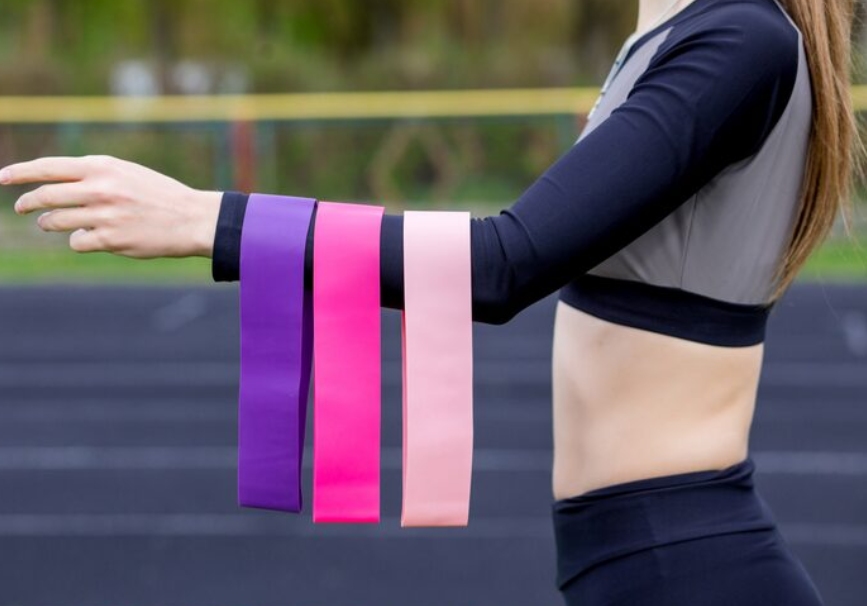
Few things spoil a fine garment quicker than a waistband that pinches, folds down, or gives way after just two laundry runs. This issue affects makers of pro-athletic wear or soft underclothes alike. The waistband really anchors how the piece sits on the body. At Wubao, we have worked for more than 10 years to refine the making of solid elastic bands. These help your creations stay comfy and hold their shape. This guide covers the main points of sizing, trimming, and joining to get a sharp, pro-level outcome each time.
Selecting the Right Material: A Foundation of Quality
Picking an elastic band goes beyond its size. You need to fit the band’s stretch qualities and feel what the garment does.
Understanding Elastic Types and Their Strengths
Varied weaving methods give varying degrees of hold and ease. Wubao supplies a range of types to tackle set production snags:
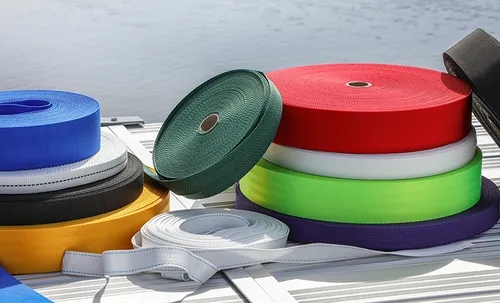
- Twill Elastic Band: Has a close, slanted weave. It holds up better and fights wear more than basic weaves do. These suit pieces get a lot of daily handling.
- Plain Woven Elastic: A steady choice for general use. It gives even pull and works well for routine waistbands needing a level, even surface.
- Crochet Edge Elastic: Pairs a yielding core with a detailed lacy rim. It cuts out extra trim work, which trims effort and expense. At the same time, it keeps a firm grip.
Matching Elastic to Specific Application Scenarios
For better selection, look at this table of Wubao Elastic items and how they fix typical fit troubles:
|
Product Type |
Best For |
Problem Solved |
|
Corn Grain Elastic |
Athletic shorts & performance wear |
Prevents rolling and improves breathability via micro-air channels |
|
Silicone Non-Slip |
Cycling wear & strapless bras |
High-grade silicone prevents the band from sliding during intense motion |
|
Jacquard Elastic |
Fashion waistbands & uniforms |
Weaves brand logos directly into the band for a premium, non-fading identity |
|
Twill Webbing |
Bags & heavy outerwear |
High durability and resistance to fraying under extreme stress |
The Science of Measuring: Achieving the Perfect Tension
One frequent error involves trimming elastic right to the waist size. Elastic works by expanding, so matching it one-for-one often leaves the band slack without enough backing.
Calculating Length Based on Elasticity Recovery
The basic guideline for many items calls for cutting the elastic 2 to 3 inches (5-7cm) below the true waist length. That said, top-grade bands from Wubao include a strong inner core. This core bounces back reliably, even following 50 or more wash cycles.
- For Lightweight Fabrics (Lingerie): Use a shorter reduction (about 1-2 inches) to avoid puckering the fabric.
- For Heavyweight Fabrics (Denim/Workwear): Use a more aggressive reduction (3 inches) as the fabric weight will pull against the band.
Adjusting for Different Waistband Styles
When working with Wubao Soft Plain Weave Elastic, you can go for a closer hold. Its mild fibers won’t rub, and they suit skin that reacts easily, including in baby outfits.
Cutting and Preparation: Setting the Stage for Durability
Careful work during cutting stops the elastic from curling or coming apart within the cover.
Tips for Fray-Free Cutting
Wubao elastics come built for easy trimming and stitching. The firm weave keeps things together, so cuts stay clean without much raveling. This makes them simple to run through the sewing setup. Stick to good fabric scissors for a straight, right-angle cut every time.
Marking and Pinning for Even Distribution
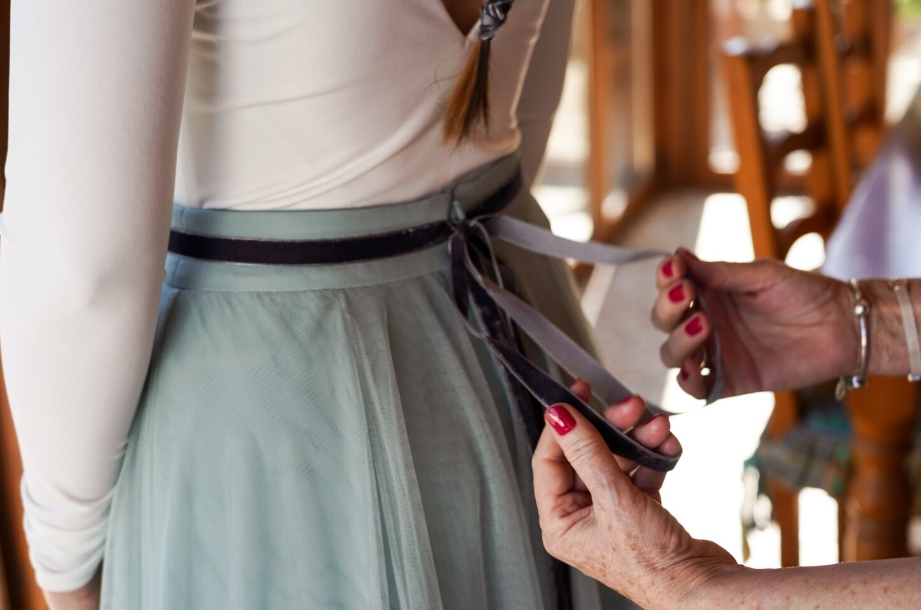
To dodge uneven pulls, split your waistband material and the Wubao elastic into four matching sections. Pin or mark those spots clearly. As you stitch, stretch the elastic to align with the fabric’s marks. In this way, the folds spread out smoothly across the full waistline.
Professional Sewing Techniques: Direct Stitching vs. Casings
How you attach the band often ties to the style you aim for.
Maximizing Performance with Specialized Bands
Items needing a clean line do best with straight stitching. Wubao’s Twill Elastic fits this well; its thick, steady build keeps it flat and stops it from bunching or turning while on.
- Zigzag Stitch: Always use a zigzag or overlock stitch when sewing directly onto the elastic. This allows the thread to “give” as the elastic stretches.
- Fold Over Elastic (FOE): For necklines or light waistbands, Wubao’s FOE features a pre-creased center for effortless folding. This allows you to encase raw fabric edges and provide elasticity in one quick step.
Solving the Sliding Problem: Non-Slip Innovations
Active clothing often deals with bands that shift under strain. Basic elastics tend to let go in tough action. Wubao’s Silicone and Latex Grip Elastics fix that with a built-in layer or coating that sticks to skin or cloth. The effect mimics a close layer, key for bike shorts or yoga pants in motion.
Advanced Customization: Branding and Finishing Touches
Today’s labels see the elastic band as both a working part and a way to promote. It carries brand value too.
Integrating Brand Identity through Jacquard Weaving
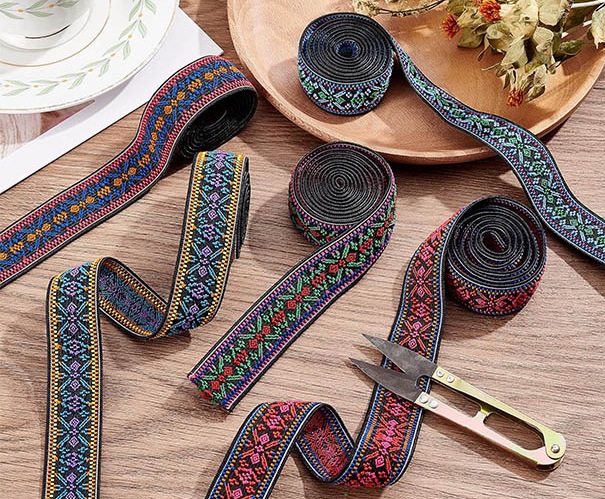
Skip printed logos that could split or flake off. Wubao’s Jacquard Elastic builds your logo right into the weave with strong threads. This gives a top-notch touch that shows quality to wearers.
Finishing Seams with Fold Over Elastic (FOE)
Wrapping rough edges matters a lot for wear comfort. Wubao’s FOE feels light and kind to the skin. It works great for edging sleeve holes and neck openings in baby gear or clothes for touchy skin.
Conclusion: Elevating Your Production with Wubao
What sets a solid garment apart from a standout one hides in the unseen parts. Wubao focuses on strong supplies, strict checks, and custom answers. You might want varied widths, set pull levels, or fibers from recycled sources. We bring the skills to make it happen.
Ready to enhance your product line? Contact Wubao today to request free samples and discuss your custom project requirements! Let’s build products that combine functionality, comfort, and style.
- WhatsApp: +8617712477116
- Email: oliviahe@wubaotextile.cn
FAQ
Q: How do I prevent my elastic waistband from rolling or twisting inside the fabric?
A: This is usually caused by using a “plain weave” elastic that is too thin for the fabric. Switching to a Twill Elastic or a Corn Grain Elastic provides a denser, firmer structure that naturally resists rolling.
Q: Is it possible to find elastics that are safe for babies and people with sensitive skin?
A: Yes. You should look for elastics made from soft, breathable fibers. High-quality options like Crochet Edge or Soft Plain Weave elastics are specifically designed to be non-chafing and hypoallergenic.
Q: Can I get my brand logo on the waistband without it cracking after several washes?
A: Definitely. Instead of surface printing, choose Jacquard Weaving. This technique weaves the logo into the fabric itself using high-tenacity yarns, ensuring the design never fades, peels, or cracks.
Q: What is the benefit of using Silicone-backed elastic in sportswear?
A: Silicone-backed elastic provides a non-slip grip that keeps the garment in place during high-motion activities. This eliminates the need for constant adjustments and provides a secure, “distraction-free” experience for athletes.


