

Flat vs. Tubular Polyester Webbing: Which One Do You Need
The Critical Choice in Textile Engineering
Selecting the right webbing forms a key decision that shapes a product’s safety, service life, and how users feel about it. Wubao operates as a professional manufacturer with over 10 years of experience in Huizhou, Guangdong. The company delivers high-precision textile solutions built around these important requirements.
Why the Right Weave Matters for Your Bottom Line
The strength of the weave you pick decides how well your product stands up to pulling forces and outside conditions during actual use.
- Cost Management: The proper structure prevents extra spending on overly strong material while stopping frequent returns that come from weaker options.
- Safety Assurance: In areas like cargo holding or tactical equipment, the difference between flat and tubular types can create the extra protection needed when loads shift suddenly.
- Market Differentiation: Good weaving from Wubao’s shuttleless machines creates a quality look and feel that helps products stand out in crowded markets.
Structural Foundations: Flat vs. Polyester Tubular Webbing
Engineers and buyers need to understand how these two structures behave mechanically. Wubao produces both types and makes sure every meter meets tough industrial requirements.
Flat Webbing: Precision and Stability
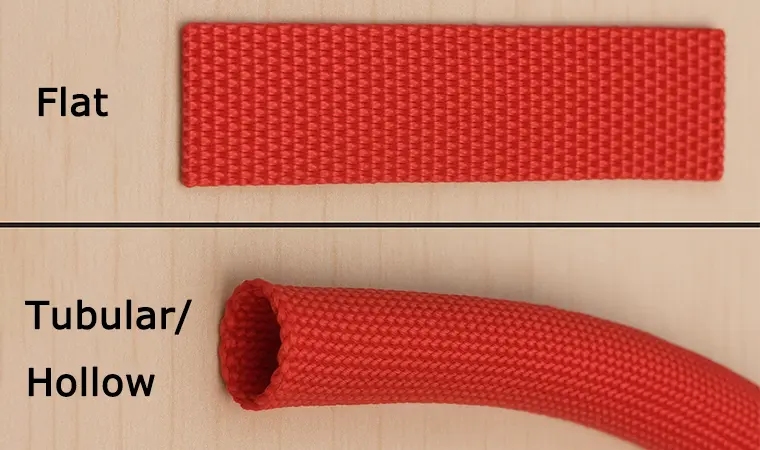
Flat webbing consists of one solid layer of crossed fibers. Manufacturers favor it for its slim shape and steady dimensions.
- Thin Profile: The flat form slides smoothly through tight buckles and sliders. This makes it a common choice for straps that need frequent adjustment.
- High Stability: The close weave limits extra stretch. Cargo stays in place even when held under steady pressure.
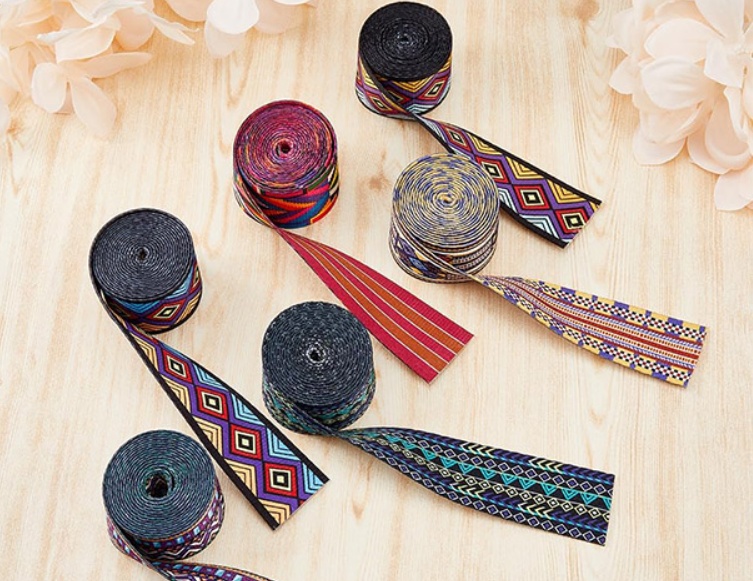
- Printing Surface: Wubao’s flat polyester webbinghas an even surface that accepts sublimation and heat transfer printing. Logos and designs stay sharp after repeated handling and cleaning.
Polyester Tubular Webbing: Strength and Pliability
Polyester tubular webbing forms as a seamless hollow tube. This creates a double-walled build that mixes strong performance with a comfortable touch.
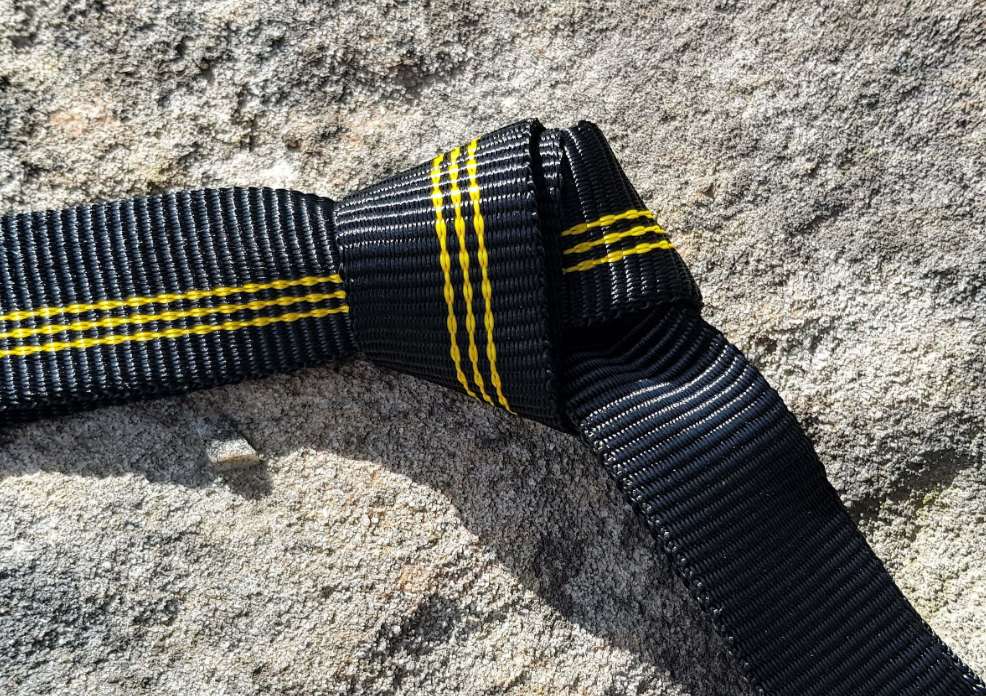
- Double-Walled Durability: The two layers give better pulling strength than a flat strap of equal width.
- Ergonomic Softness: The open center lets the webbing shape itself when pressure appears. It avoids the cutting edges that flat webbing sometimes causes against the skin.
- Knot Retention: The flexible structure makes knots easier to tie and release without damaging the fibers.
Performance Metrics: Why Polyester is the Industry Gold Standard
Although other fibers exist, polyester remains a favorite for demanding jobs because of its natural toughness. Wubao works with high-tenacity polyester threads to help products survive difficult conditions.
Environmental and Technical Resilience
Polyester keeps its form when facing sunlight, chemicals, or wet surroundings. This quality supports long-term use in real applications.
- UV Resistance: Wubao’s polyester webbing resists breakdown from sunlight. It stays strong for outdoor furniture and marine items that stay exposed for months or years.
- Hydrophobic Properties: The material takes in almost no water, unlike natural fibers. Straps avoid becoming heavy, loose, or damaged in humid or rainy settings.
- Abrasion Performance: The firm weave on Wubao products stands up to rubbing. This extends the working life of industrial straps and pet leashes used daily.
Technical Comparison Table
The table below compares Wubao’s main webbing types across several performance points.
|
Feature |
Flat Webbing (Polyester) |
Polyester Tubular Webbing |
|
Construction |
Single solid layer |
Hollow, double-walled tube |
|
Typical Use |
Tie-downs, decorative bag straps |
Safety harnesses, heavy-duty handles |
|
Profile |
Very low/Thin |
Thicker/Rounded under pressure |
|
Tensile Strength |
High (Industry standard) |
Superior (Double-walled) |
|
Comfort |
Standard |
High (Ergonomic support) |
|
Customization |
Sublimation/Digital printing |
Custom widths and tensile strengths |
Solving Design Challenges with Wubao Technology
Technical details matter only when they fix actual user difficulties. Wubao follows a practical approach that improves carrying and builds lasting reliability.
Enhancing Safety in High-Stakes Environments
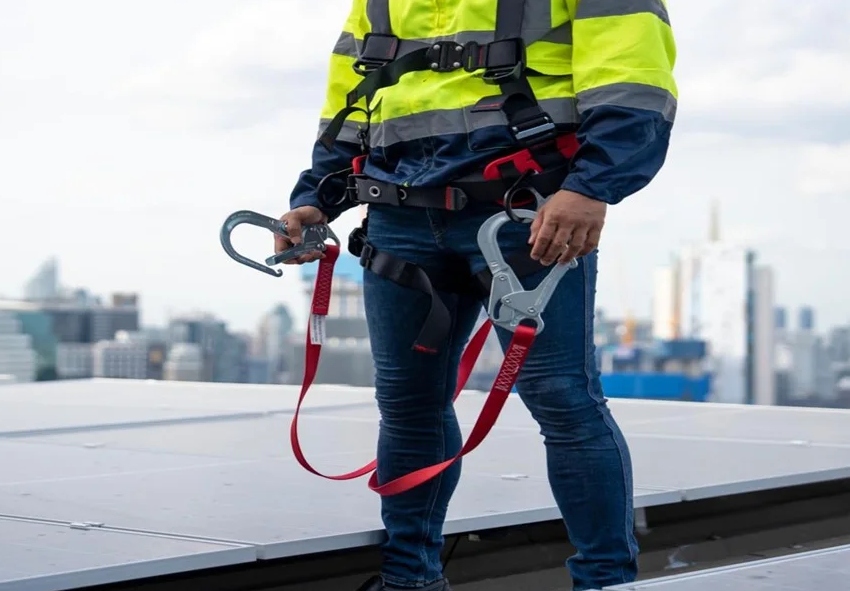
Industrial and tactical fields leave no room for broken parts. Webbing must include extra capacity for sudden forces.
- The Problem: Regular straps often break or show wear at seams when hit with quick loads or heavy impacts.
- The Wubao Solution: High-tenacity fibers combined with stronger weave patterns let polyester tubular webbing handle more weight than expected. This reliability matters for rescue gear and cargo systems where consistent performance builds customer confidence.
Elevating Comfort in Consumer Goods
In luggage and outdoor products, the contact between the strap and body reveals true quality.
- The Problem: Stiff flat webbing on shoulder straps creates sore spots and rubbing. Users feel tired after long car rides or walks.
- The Wubao Solution: Tubular webbing spreads weight more naturally across the body. This turns uncomfortable pressure into smooth support that users notice and remember.
Partnering with Wubao: Manufacturing Excellence
Working with Wubao goes beyond simple purchases. The company acts as a partner that grows alongside your business through strong OEM and ODM capabilities.
Precision OEM and ODM Services
Wubao offers two paths depending on your needs. One follows your exact plans while the other provides ready designs for faster launches.
- OEM Customization: The factory produces material according to your measurements for width, thickness, and color matching. The final output matches your brand requirements closely.
- ODM Efficiency: The R&D team creates proven designs that customers can choose and brand themselves. This approach lowers early development spending.
- Fast Sampling: International projects move quickly. Custom samples typically arrive within 3 to 7 days, so timelines stay on track.
Conclusion: Making the Informed Decision
The decision between flat and polyester tubular webbing comes down to your main needs. Flat webbing works best for slim, stable holding. Tubular webbing delivers comfort and extra power for demanding tasks. Wubao supplies the technical information, sample materials, and steady production that help brands succeed in international markets.
Ready to select the right textile solution for your product? Contact the Wubao team today to ask for free stock samples or to talk through your custom requirements.
- WhatsApp: +8617712477116
- E-mail: oliviahe@wubaotextile.cn
FAQ
Q: Which structure is more resistant to “edge fraying” in high-friction environments?
A: Tubular webbing usually holds up better against edge wear. Its tube shape lets edges roll slightly and spread the rubbing across a larger area. Flat webbing has a single exposed edge that faces direct friction.
Q: Can flat webbing handle high-tensile loads for industrial use?
A: Yes. Flat polyester webbing serves as the common choice for tie-downs and cargo work. It combines good strength with limited stretch. Tubular webbing becomes the better option when extra safety room matters most.
Q: Is polyester webbing suitable for medical or hygienic applications?
A: Yes. Polyester resists moisture, feels gentle on skin, and stops mildew growth. These features make it practical for medical straps and supports that touch the body.
Q: How does water absorption affect the performance of these webbings?
A: Wubao’s polyester stays hydrophobic. Neither flat nor tubular versions take in water. They keep their weight and full strength even after getting wet.


