

How to Select the Perfect Webbing for Strap, Tactical & Tie-Down Applications
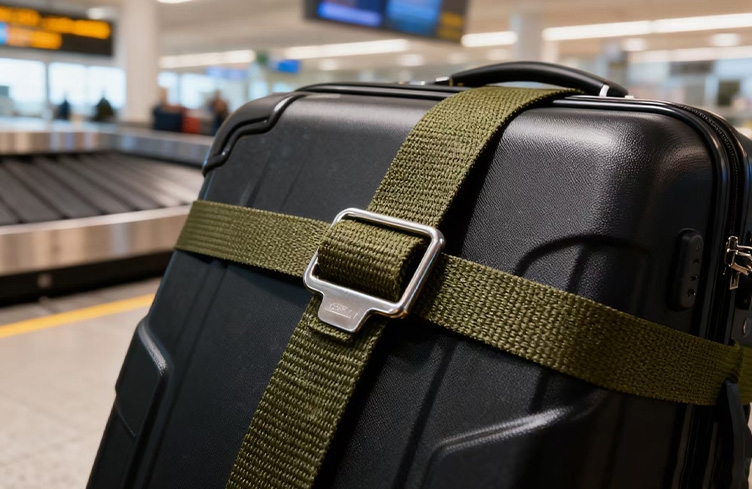
Picture a backpack strap giving way on a steep mountain path, or a cargo strap coming loose on a busy highway. These moments go beyond small troubles; they can turn into serious risks that spoil adventures or threaten safety in work settings. Many hikers and workers worry most about gear that might let them down. At Wubao, we take webbing as more than a simple strip—it serves as the dependable connection in your travels and the extra safeguard for your goods.
With more than 10 years of practical experience, Wubao concentrates on making top-grade elastic bands and webbing tapes. We aim to improve our customers’ items by using strong materials and custom fits that shift carrying from a source of worry to a mark of real ease.
Understanding the Foundations: Why Webbing Choice Determines Equipment Reliability
The Impact of Material Science on Performance
How well a strap or tie-down holds up comes down to the basic traits of its threads. Picking nylon, polyester, or polypropylene involves more than price; it means lining up the fiber’s built-in strengths with the tough conditions ahead. Wubao works with tough filaments and tight weave styles, so our webbing handles weights well above normal demands.
The Engineering Behind Absolute Certainty in Straps
Dependability starts with careful production methods. Each roll of Wubao webbing gives the same solid results, thanks to automated machines and close checks that cut out differences between batches. Our approach to design stresses steady performance. This way, sewn areas stand up to ongoing pressure and avoid breaks at key joining spots.
Deep Dive into Webbing Materials: Nylon, Polyester, and Beyond
Nylon Webbing: The King of Shock Absorption and Tactical Durability
Nylon remains the top choice for tough tactical work and safety equipment. The real strength shows up when it handles quick shocks and strong yanks—the material stretches a little under stress and avoids breaking suddenly.
- Tensile Strength: Woven from durable nylon yarns, it provides solid holding power for gear such as climbing slings, harnesses, and rescue kits that often deal with loads over 4,000 pounds in real use.
- Abrasion Resistance: Its tight weave holds off damage from rocky surfaces and repeated friction. Edges stay intact even after hundreds of drags across rough areas outdoors.
- Handling: It feels gentler and more flexible than many synthetic straps. This makes it easier to hold tight, push through hardware, or tie secure knots in the field.
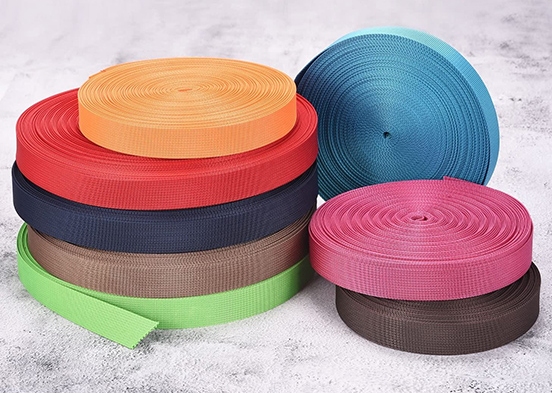
Polyester Webbing: Unbeatable UV Resistance and Low Stretch for Tie-Downs
Polyester comes through when you need a strap to stay put under heavy loads without stretching much.
- Minimal Elongation: Offers strong resistance to pulling with very little lengthening. Loads remain steady on trailers or during lifting jobs that last hours.
- Weather Resistance: Built to resist fading from sunlight, growth of mildew, and soaking from rain. This keeps it reliable for long periods on marine lines or outdoor furniture exposed year-round.
- Customization: Heat-based printing applies colors and designs cleanly, producing sharp, vivid logos that survive dozens of washes without fading.
Polypropylene and Cotton: Lightweight Efficiency and Eco-Friendly Comfort
- Polypropylene (PP): This affordable, light material repels water by nature and stays dry even when wet. It suits simpler jobs like bundling packages, handling shopping bags, or leading pets.
- Cotton: For pieces that touch skin often, our pure cotton webbing offers a gentle, airy feel without causing irritation. Brands looking to highlight natural choices find it a solid, earth-conscious pick.
Optimizing High-Performance Gear: Integrating Wubao Webbing Solutions
Top tactical and work-related equipment needs a careful blend of strong materials to reach its best level. With more than ten years of hands-on work in making technical webbing, Wubao gives a clear advantage in tough settings.
High-Tenacity Nylon and Polyester for Unshakeable Reliability
In gear where safety comes first, like tactical belts or rescue harnesses, Wubao’s Heavy Duty Nylon Webbing stands out as the main option.
- Feature: Built from tough filaments, it brings impressive pulling strength and a special way to handle sudden jolts and heavy loads.
- Advantage: This creates steady performance when pressure hits hard. The strong resistance to wear keeps edges from coming apart in rough conditions. On top of that, our Polyester Webbing fights off sun damage and holds bright printed designs that look good through many seasons of use.
Polypropylene and Cotton: Environmental Resilience and Soft Support
For jobs where keeping things light and dry matters a lot, Polypropylene Webbing works as a simple, water-repelling choice that stands up to mold and chemicals. On the other hand, when items touch skin directly, Wubao’s Natural Cotton Webbing offers a gentle, airy option.
- Feature: Made from pure natural fibers that avoid allergies, it gives a soft feel right on the skin.
- Advantage: It supplies needed backing without rubbing or marks. This makes it a solid pick for baby items, clothing, and high-end pet products where ease tops the list.
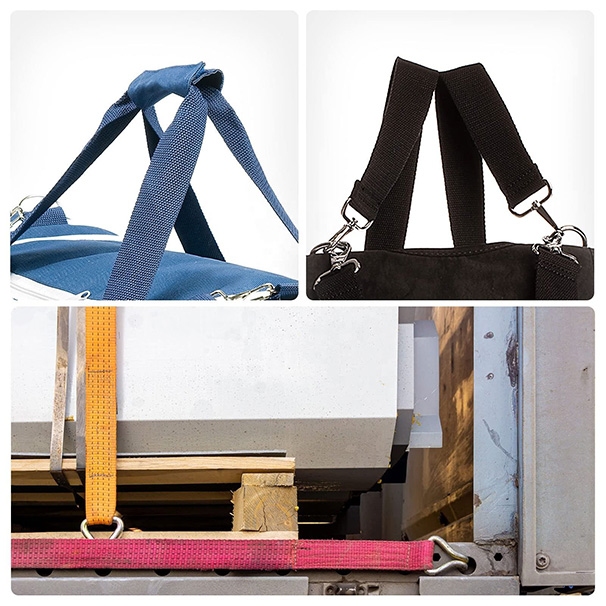
Technical Selection Guide: Matching Materials to Critical Applications
Application Comparison Table
|
Material Type |
Key Strength |
Best For |
Wubao Feature |
|
Nylon |
Shock Absorption |
Tactical belts, harnesses, and climbing |
High-tenacity filaments |
|
Polyester |
Low Stretch / UV |
Tie-downs, cargo securing, and outdoor furniture |
Minimal elongation |
|
Polypropylene |
Water Resistance |
Lightweight pet leashes, light bundling |
Hydrophobic material |
|
Cotton |
Skin Comfort |
Baby products, apparel, crafts |
Hypoallergenic fiber |
Critical Factors: Tensile Strength, Abrasion, and Environmental Resistance
Picking webbing means thinking about the right mix of firm grip and lasting ease, much like common issues with waistbands in clothing. A strap that is too stiff leads to sore spots after hours of use, and one that is too flimsy gives out when loaded. Our Ergonomic Support Webbing applies a smart weave pattern—stronger in the middle for power and gentler on the outside—to spread weight evenly across the body.
The Wubao Edge: Customization and Global Manufacturing Standards
OEM/ODM Capabilities: Precision Engineering for Your Specs
Tailored work sits at the heart of what we do. We team up with customers worldwide to create exact shades, set widths from 2.0cm to over 5.0cm, and match pulling strength to your needs. From flame-proof coatings to light-reflecting strips for visibility, Wubao follows “Your product, your specs.”
Quality Assurance: From Shuttleless Looms to Rigorous Tensile Testing
Our modern plant in Huizhou runs fast shuttleless looms and automatic color setups for steady large-scale output and quick delivery—custom jobs usually ready in 25-35 days. Holding ISO 9001 certification, we run thorough tests on color staying power, size consistency, and load handling. This means every length of webbing acts as a true backup for user safety.
FAQ
Q: How does Wubao ensure the durability of its polyester webbing for outdoor use?
A: We builds our own polyester webbing with very little stretch and strong protection against sun damage. This helps the material hold up well under heavy weights and long exposure to bright light, rain, or changing weather common in outdoor settings.
Q: Can I customize the webbing for specific load requirements?
A: Yes, we provides custom options by changing the tightness of the weave and the strength of the threads. These adjustments match exact pulling needs for tough jobs like factory tie-downs or large cargo straps.
Q: Are Wubao’s polypropylene webbing options waterproof?
A: Yes, the polypropylene webbing from Wubao naturally repels water and dries quickly even after getting soaked. People often pick it for lighter tasks, such as dog leads or simple packing straps used in damp places.
Q: What is the best webbing for baby products or apparel?
A: For items like baby clothes or everyday wear, Wubao’s cotton webbing works best. It feels soft against the skin, avoids causing allergies, and stays gentle during all-day contact, which matters most for little ones and sensitive fabrics.


